Piggy Survival Manual: A Comprehensive Guide
This manual details crucial strategies for surviving encounters with feral pigs‚ encompassing habitat awareness‚ defense techniques‚ and resourceful living skills.
Featured content includes Polynesian survival methods‚ cooking techniques‚ and navigating pig territories‚ ensuring preparedness in challenging environments.
Understanding the Feral Pig
Feral pigs‚ descendants of escaped domestic swine‚ are highly adaptable and prolific. They exhibit remarkable intelligence‚ posing unique survival challenges. Understanding their behavior is paramount; they are opportunistic omnivores‚ foraging for roots‚ fruits‚ and small animals.
These pigs can be aggressive‚ especially sows protecting their young. Their keen sense of smell and hearing make stealth crucial. Knowledge of their social structure‚ typically matriarchal sounders‚ aids in predicting movements and avoiding conflict‚ enhancing your survival prospects.
Habitat and Range of Feral Pigs
Feral pigs inhabit diverse environments‚ from dense forests and swamps to grasslands and scrublands. Their range is extensive‚ spanning across numerous continents‚ including parts of North and South America‚ Australia‚ and Eurasia.
They thrive near water sources‚ creating wallows for thermoregulation. Hawaii‚ as highlighted in survival resources‚ demonstrates their adaptability to island ecosystems. Understanding these habitat preferences is vital for predicting their location and navigating potentially dangerous territories effectively.
Identifying Pig Signs: Tracks‚ Rubs‚ and Wallows
Recognizing pig presence is crucial for survival. Tracks are distinctive‚ showing cloven hooves‚ often in mud or soft soil. Rubs‚ where pigs sharpen tusks on trees‚ indicate frequented areas. Wallows‚ muddy depressions used for cooling‚ are a clear sign of pig activity.
Observing these signs allows for situational awareness‚ helping you anticipate potential encounters and adjust your route accordingly. Knowing their habits aids in avoiding conflict and ensuring safety within their territory.
Piggy Diet and Foraging Habits
Feral pigs are opportunistic omnivores‚ consuming roots‚ tubers‚ fruits‚ insects‚ and even small animals. Their foraging patterns are dictated by seasonal availability‚ leading them to diverse habitats. Understanding their diet informs survival strategies‚ as they may lead you to edible plants or water sources.
Pigs actively root for food‚ disturbing the ground and creating wallows. This behavior impacts the landscape and can reveal potential food caches for resourceful survivors.
Essential Survival Skills for Pig Encounters
Prioritize situational awareness: constantly scan your surroundings for signs of pig activity. Mastering noise discipline minimizes unwanted attention. Knowing how to identify escape routes is crucial when a confrontation arises. Maintaining a calm demeanor can deter aggressive behavior.
Basic first aid knowledge is vital for treating potential injuries. Understanding pig behavior – their tendencies and warning signs – enhances your safety.
Situational Awareness and Pig Behavior Prediction
Heightened awareness of your surroundings is paramount. Scan for tracks‚ rubs‚ and wallows – indicators of pig presence. Observe wind direction to avoid scenting pigs unexpectedly. Recognize peak foraging times (dawn and dusk) for increased caution.
Predictive behavior analysis involves understanding their social structure and responses to stimuli. Knowing when to retreat is as important as knowing how to defend yourself.
Basic Pig Defense Techniques
Maintaining a safe distance is the first line of defense. If a pig approaches‚ make yourself appear large and vocalize firmly. Utilize any available barrier – trees‚ rocks‚ or dense vegetation – for protection.
Should a charge occur‚ aim for the snout with a sturdy object. Fighting back demonstrates assertiveness‚ potentially deterring the attack. Prioritize escape once an opportunity presents itself.
First Aid for Pig-Related Injuries
Pig-inflicted wounds require immediate attention. Control bleeding with direct pressure and elevation. Thoroughly cleanse the wound with purified water and antiseptic‚ if available. Monitor for signs of infection – redness‚ swelling‚ pus – and seek medical attention if possible.
Deep punctures pose a tetanus risk; vaccination is crucial. Immobilize fractures and splint injuries to prevent further damage. Prioritize wound care to minimize complications in a survival scenario.
Sourcing Food in a Piggy Survival Scenario
Beyond pigs‚ resourceful foraging is vital. Identify edible plants within the pig’s habitat – knowledge is key. Trapping small game like birds or rodents supplements limited resources. Prioritize calorie-rich foods for sustained energy.
Learn to identify safe water sources and purification methods. Conserve energy to minimize food requirements. Polynesian techniques may offer insights into utilizing local flora and fauna for sustenance.
Edible Plants in Pig Habitats
Pig habitats often harbor diverse edible plants‚ but positive identification is crucial to avoid poisoning. Look for familiar plants like berries‚ roots‚ and leafy greens‚ exercising extreme caution. Observe what pigs consume – though not foolproof‚ it offers clues.
Polynesian survival knowledge may reveal local edible flora. Always test a small amount before full consumption. Prioritize plants with high caloric value for energy. Thorough research is paramount for safe foraging.
Trapping Small Game (Beyond Pigs)
Supplementing your diet requires trapping small game‚ beyond the challenges of pursuing feral pigs. Simple snare traps utilizing cordage can capture rabbits‚ rodents‚ and birds. Figure-four deadfall traps are effective but require precise construction.
Consider Polynesian trapping techniques for innovative designs. Bait traps with available vegetation or insects. Regularly check traps to maximize yield and minimize animal suffering. Prioritize sustainable practices for long-term survival.
Safe Water Sources and Purification Methods
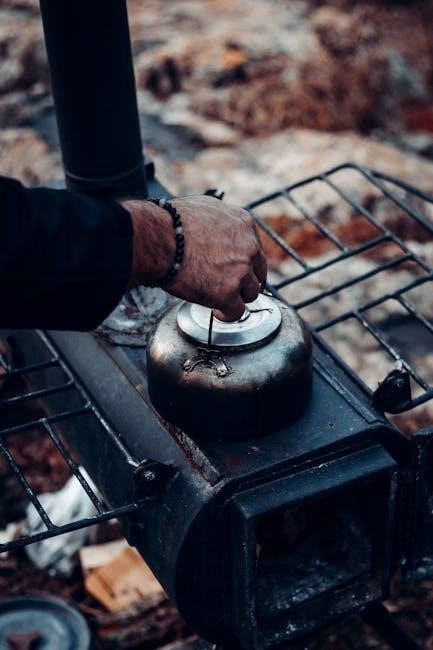
Securing potable water is paramount for survival. Prioritize locating springs‚ streams‚ or collecting rainwater. Avoid stagnant water sources due to potential contamination. Boiling water for one minute effectively kills most pathogens.
Construct a simple filtration system using charcoal‚ sand‚ and cloth. Consider solar disinfection (SODIS) using clear plastic bottles. Polynesian techniques may involve plant-based filtration. Always purify water before consumption to prevent illness.
Shelter Construction in Pig Country
Building a secure shelter is vital for protection from the elements and potential pig encounters. Prioritize locations with natural defenses‚ like rocky outcrops or dense vegetation. A lean-to shelter offers quick construction using branches and leaves.
Elevate the sleeping area to deter ground-dwelling creatures. Polynesian shelter building emphasizes natural materials and camouflage. Reinforce the structure against wind and rain. Maintain a clear perimeter to enhance visibility and early warning of approaching pigs.
Building a Basic Lean-To Shelter
A lean-to provides rapid shelter from the elements. Find a sturdy horizontal branch or create one using lashed poles. Lean branches against this support at a 45-degree angle‚ creating a frame.
Thatch the frame densely with leaves‚ ferns‚ or pine needles for insulation and waterproofing. Ensure the back is wind-resistant. Consider camouflage using local vegetation. Reinforce the structure for stability. This simple design offers crucial protection while navigating pig country.
Camouflage and Concealment Techniques
Blending into the environment is paramount for avoiding detection. Utilize natural materials like mud‚ leaves‚ and branches to disrupt your outline. Break up your silhouette against the background. Avoid bright colors and reflective surfaces.
Consider scent control – pigs have a keen sense of smell. Create ghillie suits from local vegetation. Observe wind direction to prevent scent drift. Utilize shadows and terrain features for concealment‚ enhancing your survival odds.
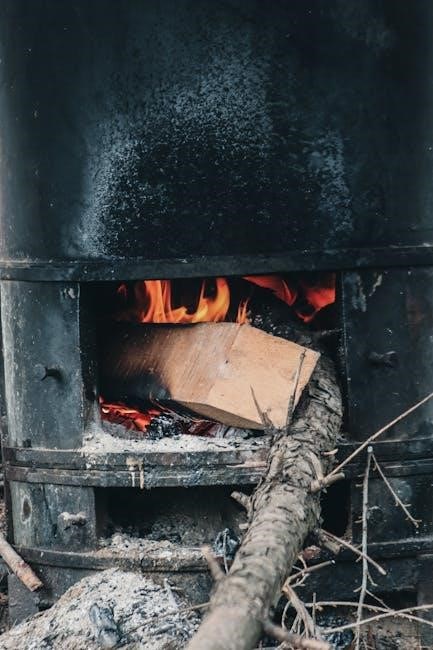
Fire Starting Methods for Warmth and Signaling
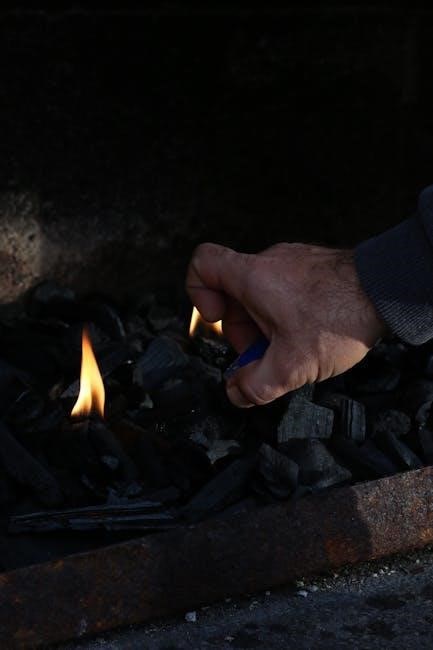
Fire provides warmth‚ cooks food‚ and offers psychological comfort. Master multiple methods: ferrocerium rods‚ friction-based techniques (bow drill‚ hand drill)‚ and utilizing magnifying lenses. Gather tinder – dry leaves‚ birch bark‚ and bird nests are excellent.
Build a fire lay – teepee‚ log cabin‚ or lean-to structures. Signal fires require adding green vegetation for smoke. Maintain a safe firebreak and never leave a fire unattended‚ ensuring survival and rescue potential.
Pig Hunting and Butchering (If Necessary)
Hunting should be a last resort‚ prioritizing avoidance. If necessary‚ utilize appropriate weaponry and practice safe hunting techniques. Ensure legal compliance with local regulations. Swift‚ humane dispatch is crucial.
Butchering requires sharp tools and knowledge of anatomy. Prioritize hygiene to prevent contamination. Preserve meat through smoking‚ salting‚ or drying. Remember‚ resourcefulness is key‚ but ethical considerations are paramount in a survival scenario.
Safe Hunting Practices
Prioritize safety above all else. Thoroughly scout the area‚ identifying escape routes and potential hazards. Always maintain situational awareness‚ anticipating pig movements and potential ambushes. Utilize appropriate firearms or tools‚ ensuring proficiency and responsible handling.
Never hunt alone; a partner provides crucial support. Clearly define shooting lanes and communicate effectively. Respect the animal and strive for a quick‚ ethical kill. Adherence to these practices minimizes risk and maximizes success.
Basic Butchering Techniques for Feral Pigs
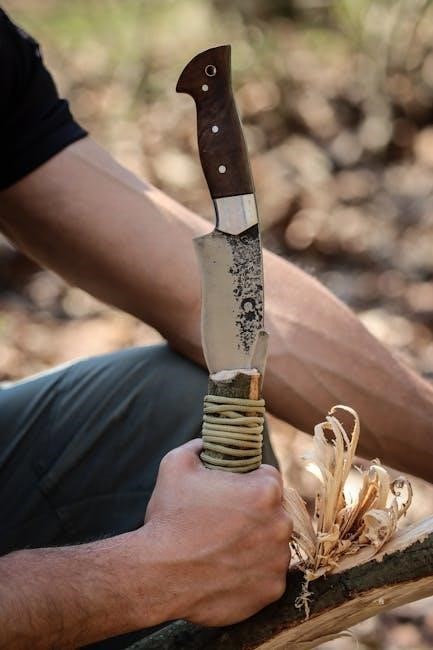
Field dressing is paramount; quickly eviscerate the pig to prevent spoilage. Utilize a sharp‚ clean knife for precise cuts‚ minimizing contamination. Separate the carcass into manageable portions – hindquarters‚ shoulders‚ and loin. Remove the hide carefully‚ avoiding damage to the meat.
Proper hygiene is crucial; sanitize tools and work surfaces. Prioritize preserving valuable cuts for long-term storage‚ ensuring a sustainable food source.
Preserving Meat in a Survival Situation
Salt curing is a primary method; rub meat generously with salt‚ then air-dry it‚ inhibiting bacterial growth. Smoking adds flavor and further preservation‚ utilizing slow‚ consistent heat. Jerky creation involves thinly slicing meat and drying it over a fire or in the sun.
Consider burying meat in a cool‚ dry location as a short-term solution. Prioritize methods that minimize spoilage‚ maximizing your food supply’s longevity.
Navigating Pig Territory
Pig trails often lead to water sources and feeding areas‚ but also indicate high-traffic zones. Utilize topographic maps to identify terrain features and potential ambush points. Observe wind direction to avoid scenting pigs prematurely.
Pay attention to rubbings and wallows – signs of frequent pig presence. Maintain situational awareness‚ constantly scanning your surroundings for movement or sounds‚ ensuring safe passage.

Map Reading and Compass Skills
Proficiency in map reading is paramount for navigating pig country effectively. Understand contour lines to predict terrain difficulty and identify potential escape routes. Master compass use for accurate direction finding‚ especially when visibility is limited.
Combine map and compass skills to triangulate your position and track movement. Regularly orient your map to maintain awareness of your surroundings‚ vital for avoiding dangerous areas and planning efficient routes.
Understanding Terrain and Natural Obstacles
Pig habitats often feature challenging terrain: dense forests‚ swamps‚ and steep slopes. Recognize how terrain impacts pig movement and your own travel speed. Identify natural obstacles like rivers‚ cliffs‚ and thick undergrowth that can hinder escape or pursuit.
Learn to assess risks associated with each obstacle and plan routes accordingly. Utilize terrain features for concealment and defensive positions‚ maximizing safety in pig territory.
Avoiding Dangerous Areas
Prioritize avoiding areas with high pig activity: wallows‚ feeding grounds‚ and established trails. Be cautious near dense vegetation offering concealment for pigs. Recognize signs of recent pig presence – tracks‚ rubs‚ and disturbed earth – as indicators of potential danger.
Steer clear of areas restricting visibility or escape routes. Exercise extreme caution during dawn and dusk‚ peak pig activity times‚ ensuring personal safety.
Tools and Equipment for Piggy Survival
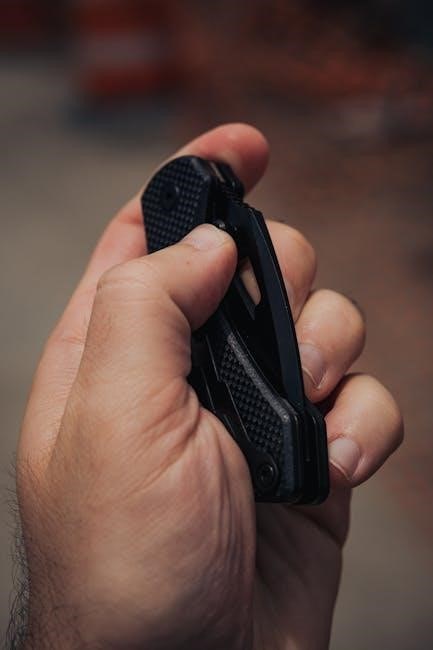
Essential tools include a robust‚ full-tang knife for defense‚ butchering‚ and shelter construction. Durable cordage is vital for trapping‚ shelter building‚ and creating tools. A reliable fire starter – ferro rod‚ waterproof matches – is crucial for warmth‚ signaling‚ and cooking.
Consider a map and compass for navigation‚ alongside a first-aid kit for treating potential injuries sustained during encounters.
Essential Knife Selection
Prioritize a full-tang knife‚ ensuring the blade extends through the handle for maximum durability. Blade steel should be high-carbon‚ offering a balance of toughness and edge retention. A blade length of 4-6 inches provides versatility for various tasks.
Consider a comfortable‚ grippy handle for secure use‚ even in wet conditions. A sheath is essential for safe carry and protection of the blade.
Cordage and its Uses

Strong cordage is invaluable for shelter building‚ trapping‚ and gear repair. Paracord is a versatile option‚ offering high strength-to-weight ratio and multiple inner strands. Natural fibers like jute or hemp are renewable resources‚ useful for various tasks.
Learn essential knots – square‚ bowline‚ and clove hitch – for secure bindings. Cordage can create snares‚ lash tools together‚ and secure food caches.
Fire Starting Kit Essentials
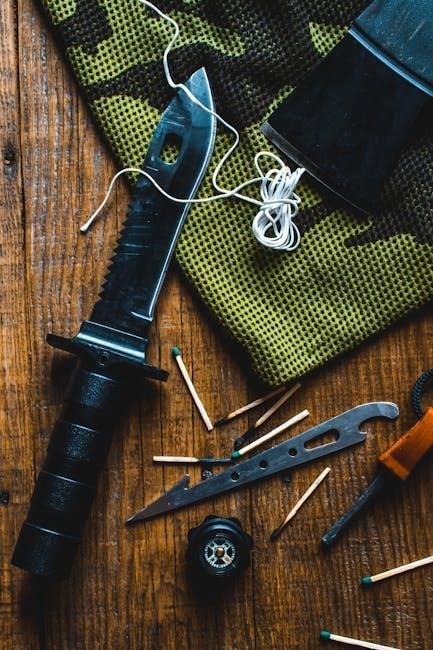
A reliable fire starter is paramount for warmth‚ cooking‚ signaling‚ and psychological comfort. Include multiple methods: a ferrocerium rod with striker‚ waterproof matches‚ and a lighter as backups. Tinder is crucial – cotton balls soaked in petroleum jelly‚ birch bark‚ or dry plant fibers.
Carry a small magnifying glass for solar ignition. Protect your kit from moisture in a waterproof container‚ ensuring fire-making capability in any conditions.
Long-Term Piggy Survival Strategies
Sustained survival demands resourcefulness and planning. Focus on establishing a sustainable food supply beyond immediate foraging – consider small game trapping and cultivating edible plants. Construct a durable‚ camouflaged shelter offering protection from elements and potential threats.
Prioritize water sourcing and purification. Community cooperation enhances security and workload sharing. Maintain situational awareness regarding pig movements and potential dangers.
Sustainable Food Gathering
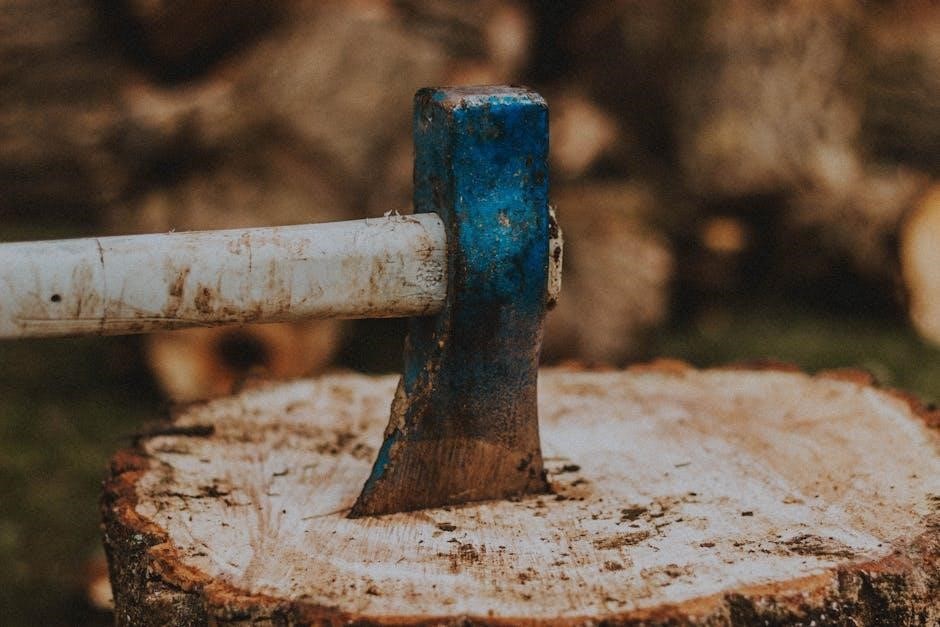
Long-term sustenance requires diversifying beyond immediate resources. Master identifying and harvesting edible plants within the pig’s habitat – knowledge is vital. Implement small-game trapping techniques to supplement foraging efforts‚ focusing on species beyond feral pigs.
Consider rudimentary agriculture if conditions allow‚ cultivating fast-growing crops. Preserve gathered foods through drying or smoking to ensure a consistent supply‚ mitigating scarcity.
Building a Permanent Shelter
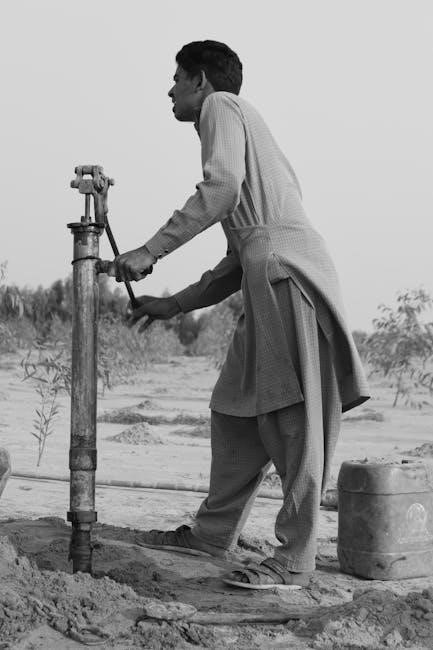
Transitioning from temporary to permanent shelter is crucial for long-term survival. Prioritize a location offering natural defenses against pigs and the elements. Utilize locally sourced materials – timber‚ stone‚ and mud – for construction.
Focus on a robust frame and weatherproof roofing. Incorporate defensive features like perimeter walls or thorny barriers. Consider a raised floor to mitigate flooding and pig intrusion‚ ensuring a secure haven.
Community and Cooperation
Survival odds dramatically increase with collaborative effort. Forming a community allows for shared responsibilities – shelter building‚ foraging‚ defense‚ and fire maintenance. Pooling skills and knowledge enhances problem-solving capabilities.
Establish clear roles and communication protocols. Cooperative hunting and resource management improve efficiency. Mutual support bolsters morale and resilience against the psychological strain of prolonged survival in pig country.
Legal Considerations and Ethical Hunting
Understanding local hunting regulations is paramount. Obtain necessary licenses and adhere to seasonal restrictions‚ bag limits‚ and permitted hunting methods. Respectful treatment of wildlife extends beyond legal requirements; minimize suffering during any necessary harvest.
Practice fair chase principles and avoid unethical tactics. Responsible hunting contributes to ecosystem balance. Leave No Trace principles ensure minimal environmental impact‚ preserving the habitat for future generations.
Hunting Regulations in Different Regions
Feral pig hunting laws vary significantly by location. Texas‚ for example‚ often has liberal regulations due to population control needs‚ while Hawaii may have stricter rules protecting native ecosystems. Always consult state wildlife agencies for current regulations regarding seasons‚ permits‚ and legal hunting methods.
Regulations cover weapon types‚ baiting restrictions‚ and reporting requirements. Ignoring these laws can result in hefty fines or legal penalties. Thorough research is crucial for ethical and lawful hunting practices.
Respectful Treatment of Wildlife
Even in a survival situation‚ ethical considerations remain paramount. While feral pigs can pose threats‚ unnecessary suffering should be avoided. Employ humane hunting or defense techniques whenever possible‚ ensuring a swift and respectful end.
Minimize environmental impact by avoiding habitat destruction and respecting other wildlife. Recognize the pig’s role in the ecosystem‚ even as a non-native species‚ and practice responsible land stewardship;
Leave No Trace Principles
Maintaining the integrity of the pig’s habitat is crucial‚ even during a survival scenario. Pack out all trash‚ minimizing your impact on the environment. Avoid disturbing vegetation or wildlife beyond what’s necessary for survival.
Minimize campfire impacts and use existing fire rings when available. Respect wildlife by observing from a distance and avoiding feeding. Leave the area as you found it‚ preserving its natural state for future use.